Loading live river data…
First time on the Buffalo?
It’s one of the friendliest rivers in the country for a first float — clear water, gravel bars to stop on, and outfitters who handle the boats and shuttle. Here’s everything you need, in order.

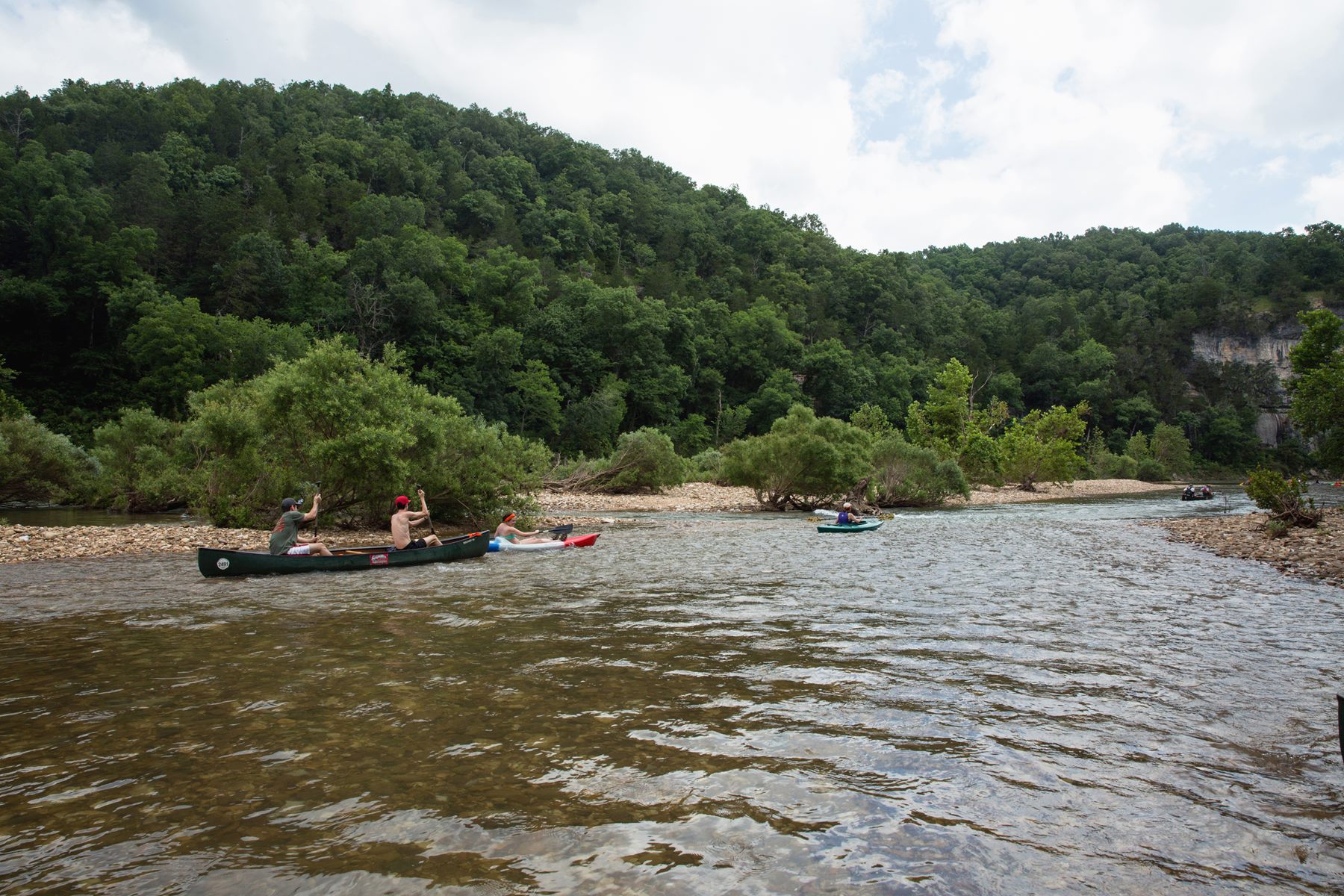
NPS Photo/Terra Fondriest · credits Step 1
Choose a float
Start short: 2–6 miles is plenty for a first day (NPS’s rule of thumb is about 2 mph, so divide miles by two for hours on the water, then add breaks). Tyler Bend–Gilbert, Grinder’s Ferry–Gilbert and Ozark–Pruitt are easy picks. Take the 30-second float finder →
AI illustration · credits Step 2
Check the level
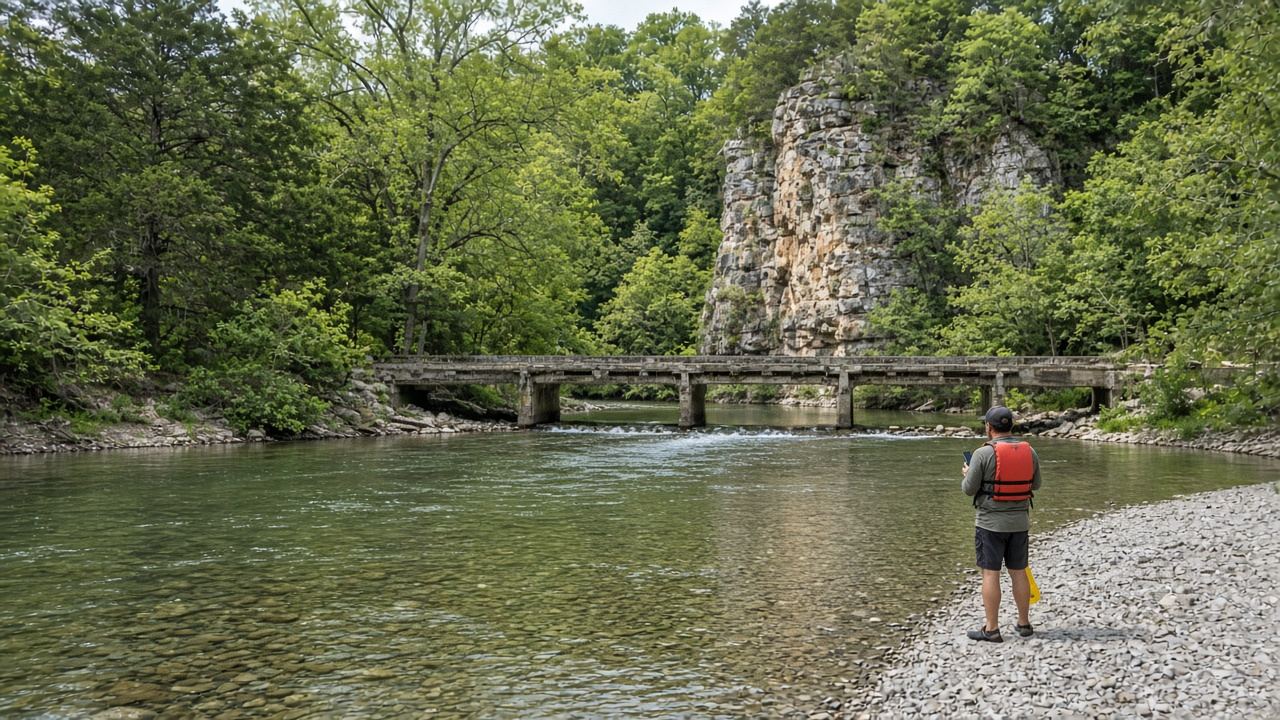
The Buffalo is rain-fed, so levels swing a lot. Look for Good on our float pages. “Low” means some walking your boat over gravel; “High” means pushy current — skip it as a beginner. The upper river (Ponca–Pruitt) usually runs best in spring; the middle and lower river hold water longer into summer. How gauges work →
AI illustration · credits Step 3
Book an outfitter or shuttle
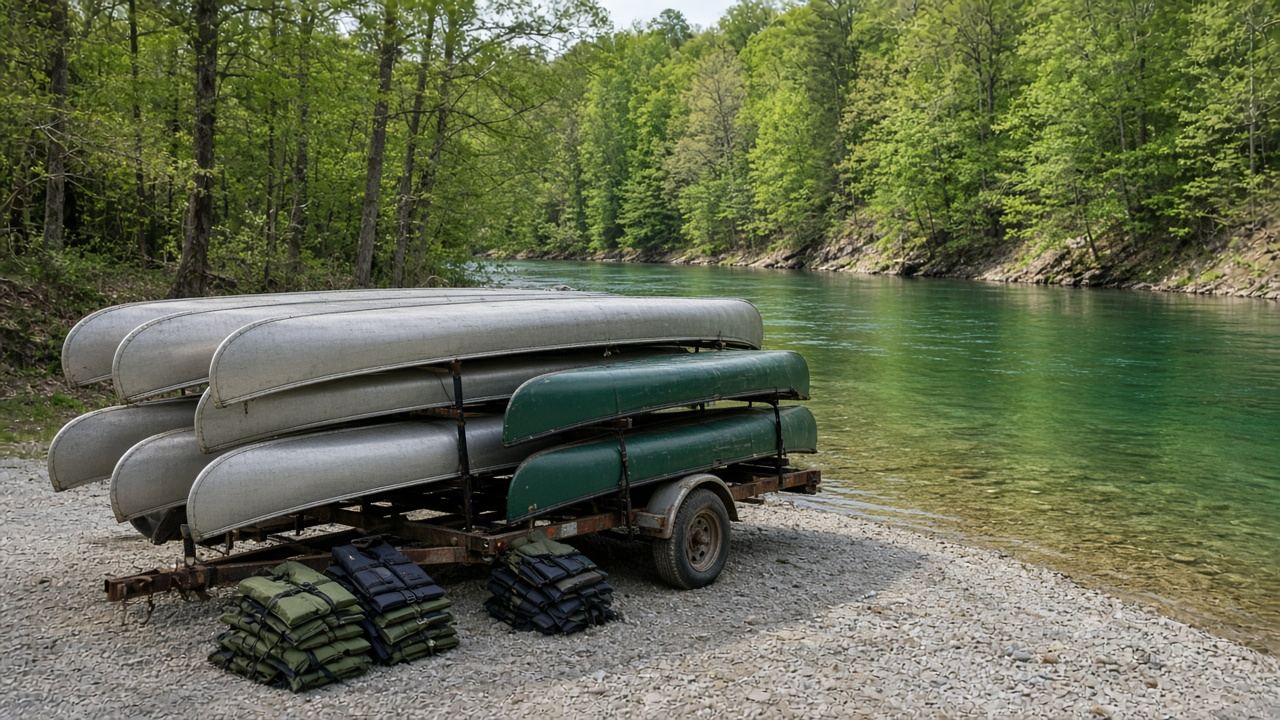
Unless you bring your own boat and two cars, rent from an NPS-authorized outfitter in the district you’re floating — they provide boats, paddles, life jackets and the shuttle back to your car. Book ahead for spring and summer weekends. NPS-authorized outfitters by district →
AI illustration · credits Step 4
Pack
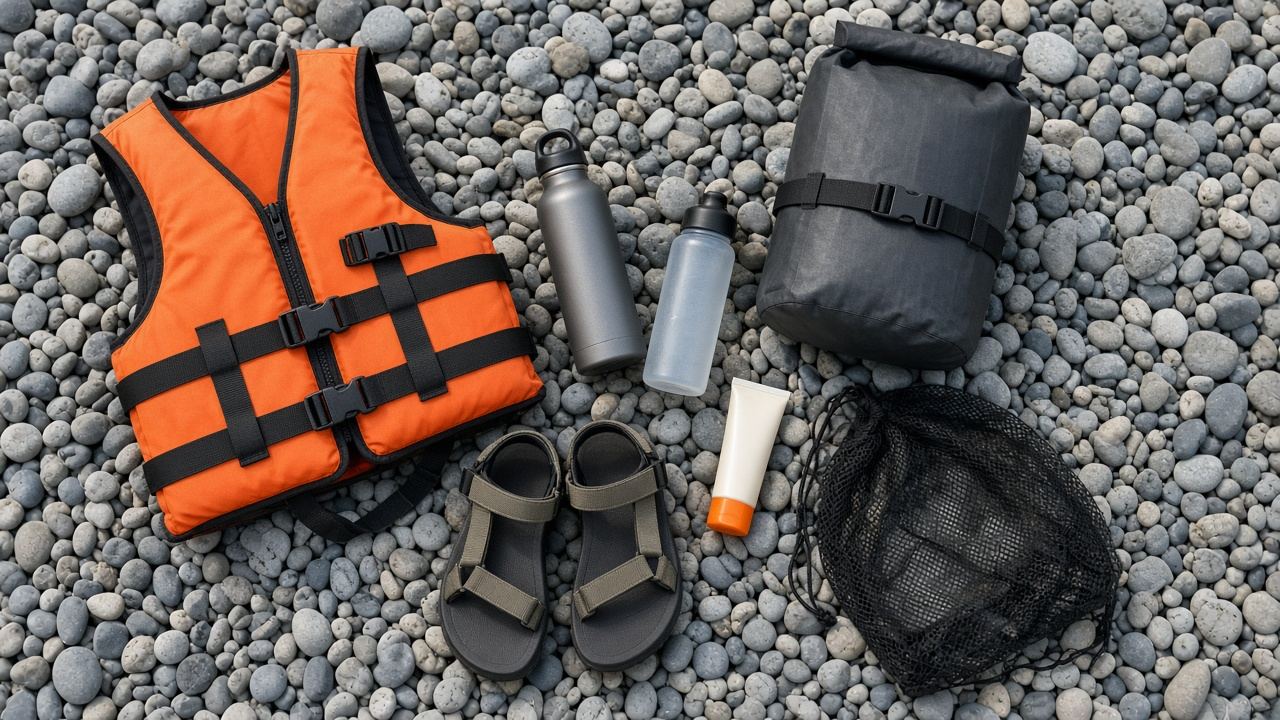
A life jacket for everyone (kids 12 and under must wear one), water, sunscreen, shoes that strap on, a dry bag, and a mesh trash bag if you bring food or drinks. No glass near the river and no foam coolers. Printable checklist →
AI illustration · credits Step 5
Day-of: arrive & launch
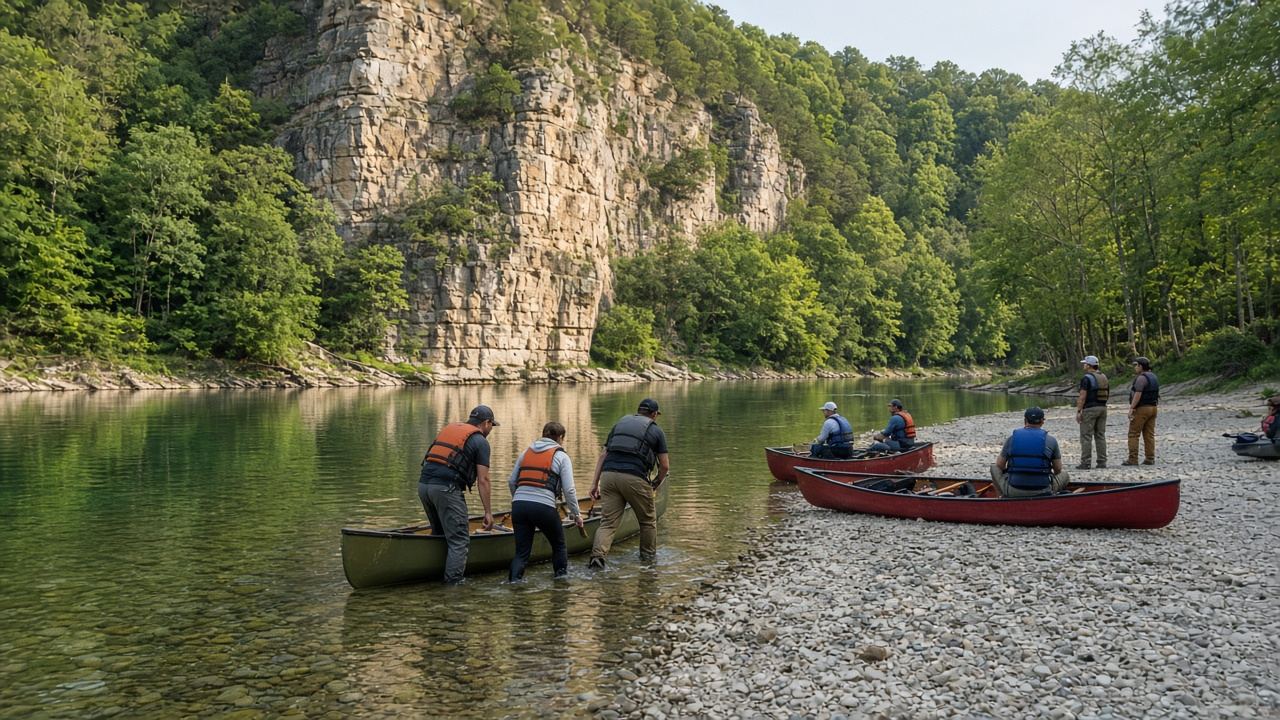
Arrive early — accesses get busy and outfitter trailers need room, so don’t block launch areas. Tell someone your plan and expected return; cell service is unreliable. Load gear low and tied in, put the heavier paddler in back, and push off one boat at a time. On the river: give others space in narrow chutes, keep music low, and leave gravel bars as clean as you found them.
AI illustration · credits Step 6
Take-out
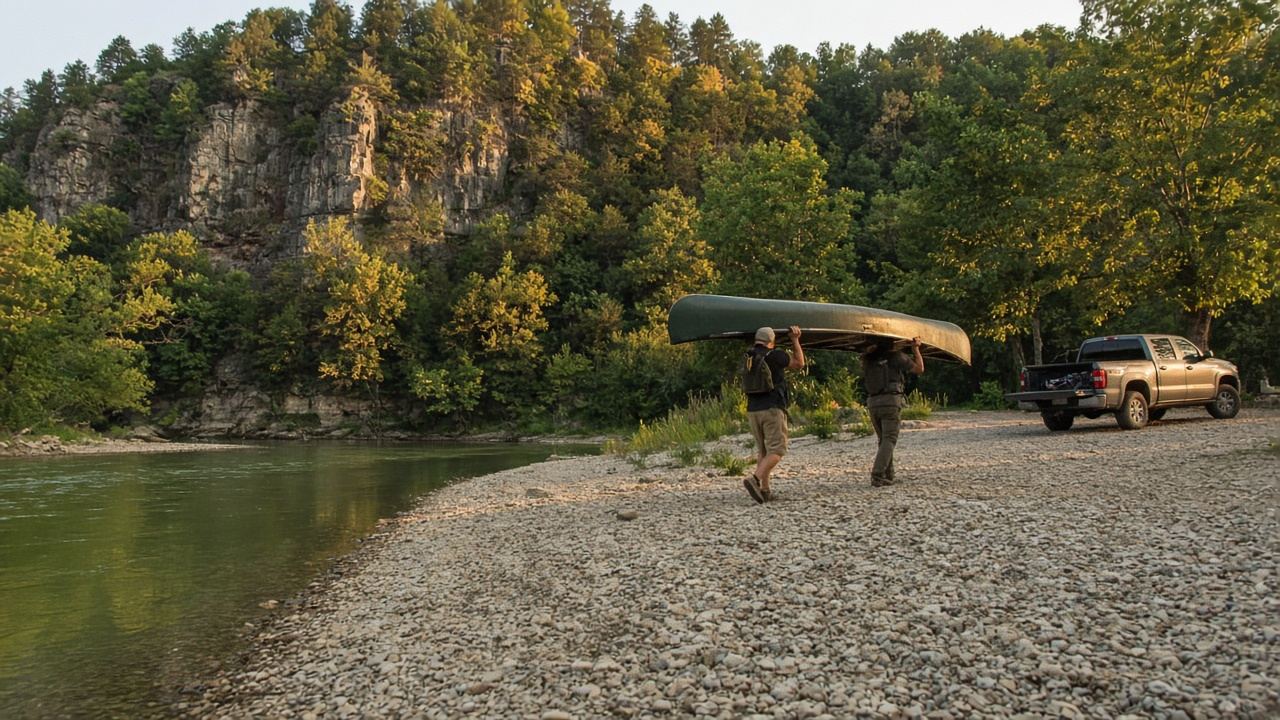
Know what your take-out looks like before you start (our Access tab lists notes and GPS). Watch for it on river-right or left as described by your outfitter — missing it can mean miles of extra paddling. At Buffalo Point, expect a steep carry up the gravel bar. Pack out every bit of trash.


Rules and safety facts from NPS Paddling and River Rules. Photos: National Park Service — credits.